
Great Migration Misconceptions
“Animals everywhere! Great experience and basecamp for game drives. Saw dozens of lions, and thousands of wildebeest, zebras, antelope and gazelles. Great dinner and breakfast buffet.”
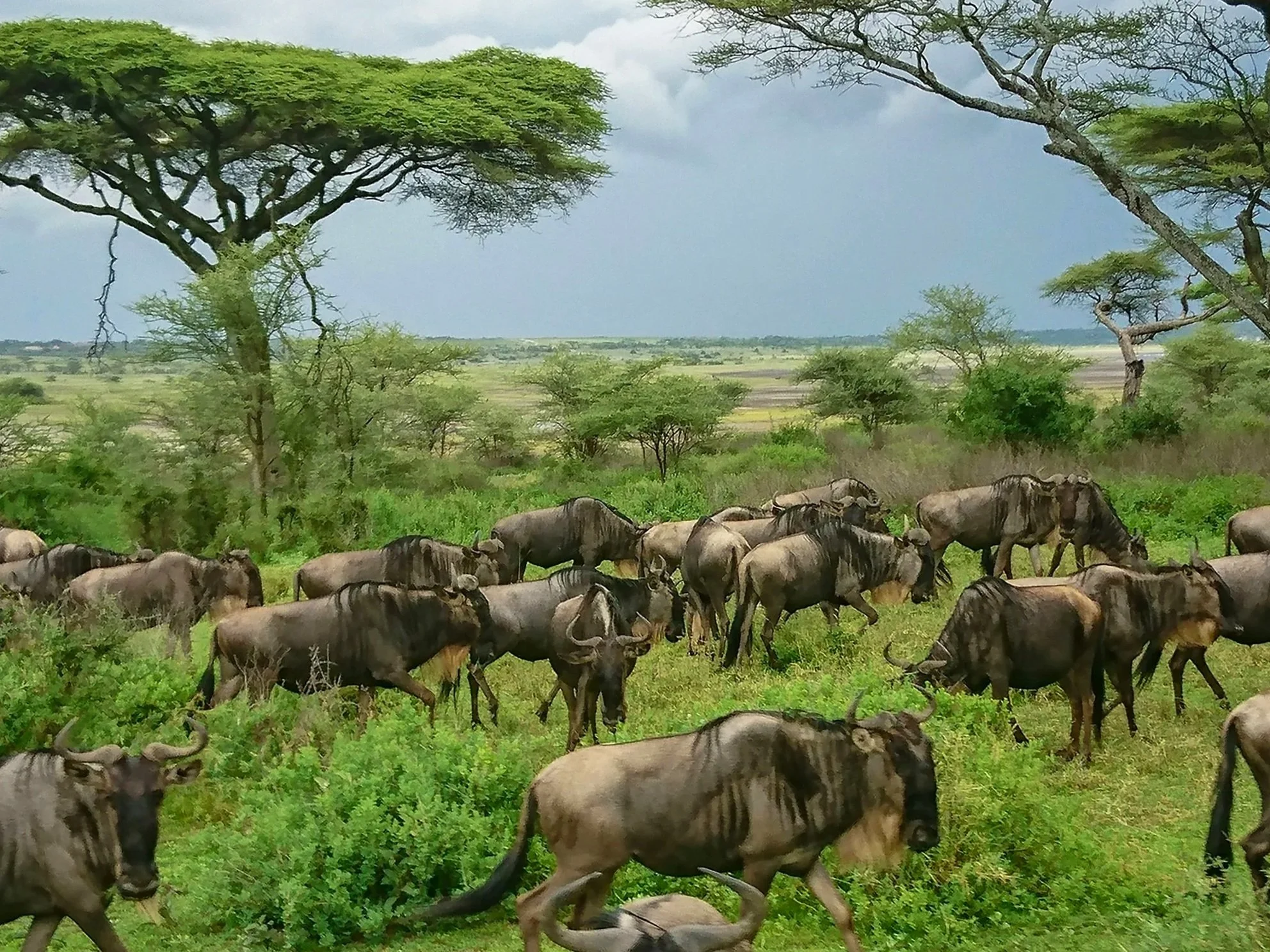
The Great Migration is often called the greatest wildlife spectacle on Earth. Every year, more than 1.5 million wildebeest, accompanied by hundreds of thousands of zebras and gazelles, move across the Serengeti-Mara ecosystem in search of fresh grazing.
At Moyo Tented Camp, our seasoned local guides spend every day immersed in the rhythms of the Serengeti. Here are eight of the most common migration myths we hear from first-time visitors.
(Photo Credit to Ben Preater)
#1 Misconception: The Great Migration Is a Single Event
Many travelers imagine the migration as a one-day spectacle that happens at a specific place and time.
In reality, the Great Migration is a continuous, year-round movement driven by rainfall, fresh grass, and survival. The herds are always on the move, creating a constantly evolving wildlife story across the Serengeti ecosystem.
This is one reason why choosing the right location matters. Moyo Tented Camp's camps are positioned in wildlife-rich regions of the Serengeti, allowing guests to experience exceptional game viewing throughout the year rather than chasing a single event.
#2 Misconception: You Can Predict Where the Herds Will Be
One of the most common questions we receive is: "Will the migration be here during my stay?"
While historical patterns provide useful guidance, nature doesn't follow a calendar. Rainfall, grazing conditions, and animal behavior ultimately determine where the herds move.
Fortunately, our experienced local guides track wildlife movements daily. Their deep understanding of the Serengeti helps guests maximize their opportunities to witness not only the migration but also the countless other wildlife encounters that make every safari unique.
#3 Misconception: You Must Stay in the Far North to See the Migration
The Mara River crossings in the northern Serengeti receive tremendous attention, leading many travelers to believe the migration only matters in that region.
The truth is that the migration spends much of the year moving through different parts of the ecosystem, including the central Serengeti. Depending on the season, the Seronera region can serve as an important migration corridor while also offering some of the best resident wildlife viewing in Africa.
Unlike camps that are only attractive during a short seasonal window, Moyo Tented Camp's locations provide rewarding wildlife experiences throughout the year.
#4 Misconception: If the Migration Isn't Nearby, the Safari Won't Be Good
This may be the biggest misconception of all. The Serengeti is not famous simply because of the migration. It is famous because it is one of the greatest wildlife ecosystems on Earth.
Moyo Tented Camp is located in the renowned Seronera region, often called the Big Cat Capital of the Serengeti. Here, guests regularly encounter lions, leopards, cheetahs, hyenas, elephants, giraffes, hippos, buffalo, crocodiles, servals, and hundreds of bird species regardless of where the migration happens to be.
Many guests arrive excited about the migration and leave talking just as much about their leopard sighting, lion cub encounter, or unforgettable cheetah hunt.
#5 Misconception:The Migration Is Only About Wildebeest
While wildebeest are the stars of the show, the migration is really an ecosystem-wide drama.
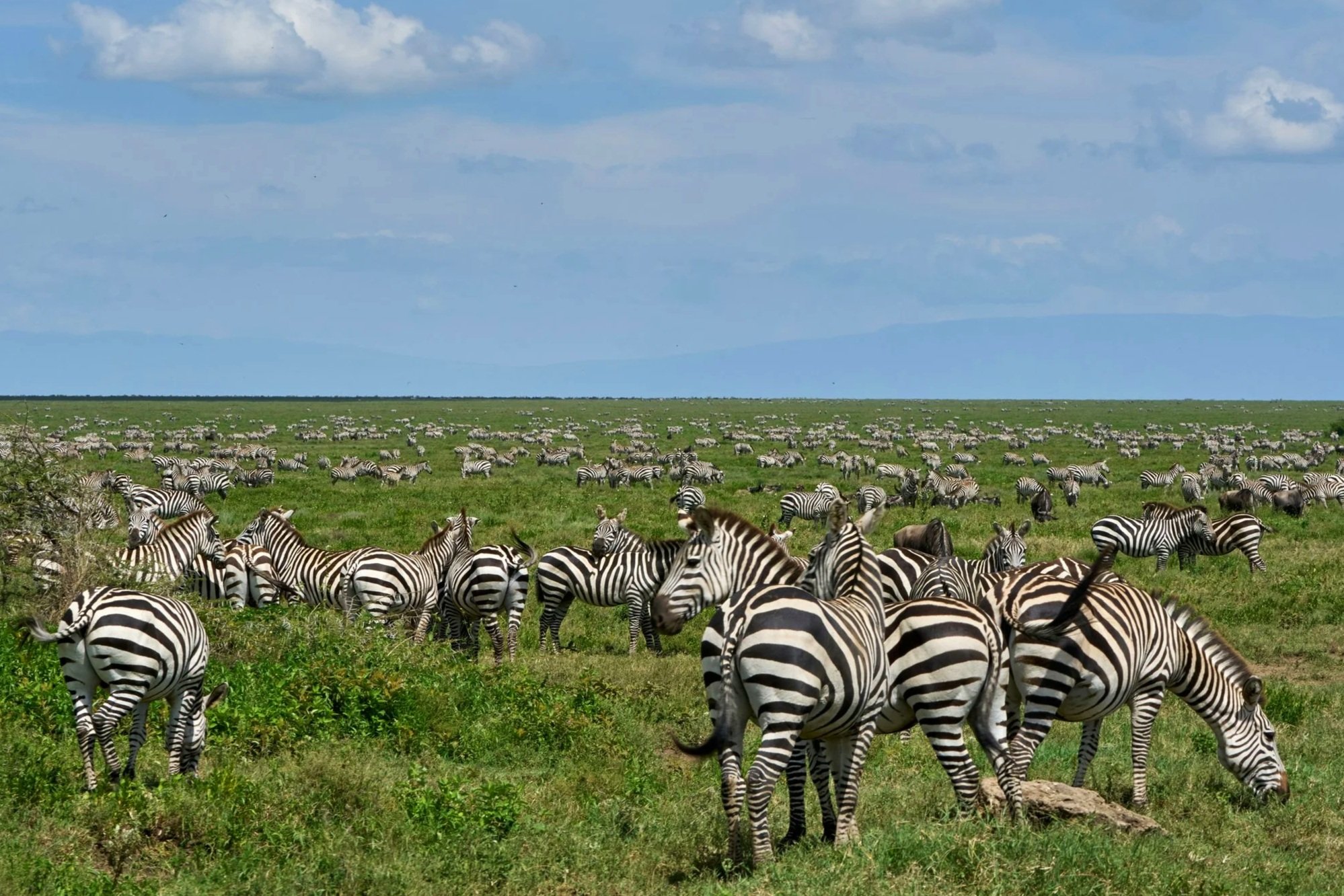
Zebras, gazelles, predators, scavengers, and even crocodiles all play a role in this extraordinary cycle. Every movement of the herds creates opportunities for predators and affects wildlife throughout the Serengeti.
Our guides help guests understand the fascinating interactions between species, transforming a game drive into a deeper understanding of one of nature's most complex ecosystems.
#6 Misconception: River Crossings Are the Only Time Worth Visiting
River crossing photos dominate social media, but they represent just one chapter of the migration story.
Many safari enthusiasts consider the calving season from January through March equally spectacular. During this period, thousands of wildebeest calves are born every day, attracting lions, cheetahs, hyenas, and other predators.
Likewise, the green season offers dramatic landscapes, migratory birds, fewer vehicles, and incredible photography opportunities.
Every season in the Serengeti has something remarkable to offer.
#7 Misconception: You Need to Spend All Day Driving to Find Wildlife
Many travelers assume safari means spending endless hours driving from one area to another.
Because Moyo Tented Camp is situated within some of the Serengeti's most productive wildlife regions, guests can often begin encountering animals shortly after departing camp. Less time commuting means more time enjoying wildlife sightings, photography, and relaxing between adventures.
It's one of the many advantages of staying deep inside Serengeti National Park rather than outside its boundaries.
#8 Misconception: You Have to Leave Camp to Experience the Serengeti
Many visitors assume the safari only begins when the vehicle leaves camp. Actually, some of the most memorable wildlife encounters happen right at Moyo.
Depending on the season and wildlife movements, guests may see giraffes, buffalo, zebras, antelope, and even migration activity from camp itself. On occasion, herds of wildebeest have been visible from guests' private verandas, creating the unforgettable experience of watching one of the world's greatest wildlife spectacles while enjoying a morning coffee.
At night, the sounds of lions roaring and hyenas calling through the darkness remind guests that they are truly immersed in the heart of the Serengeti.
At Moyo Tented Camp, guests enjoy all of this while staying in spacious safari tents with private bathrooms, hot showers, comfortable beds, WiFi, and 24-hour electricity.
Combined with expert guiding, walking safaris, gourmet dining, and prime wildlife-viewing locations, the result is a safari experience that goes far beyond the migration itself.
(Photo Credit to Dmitrii Zhodzishskii)
Let’s start planning your unforgettable Great Migration adventure !